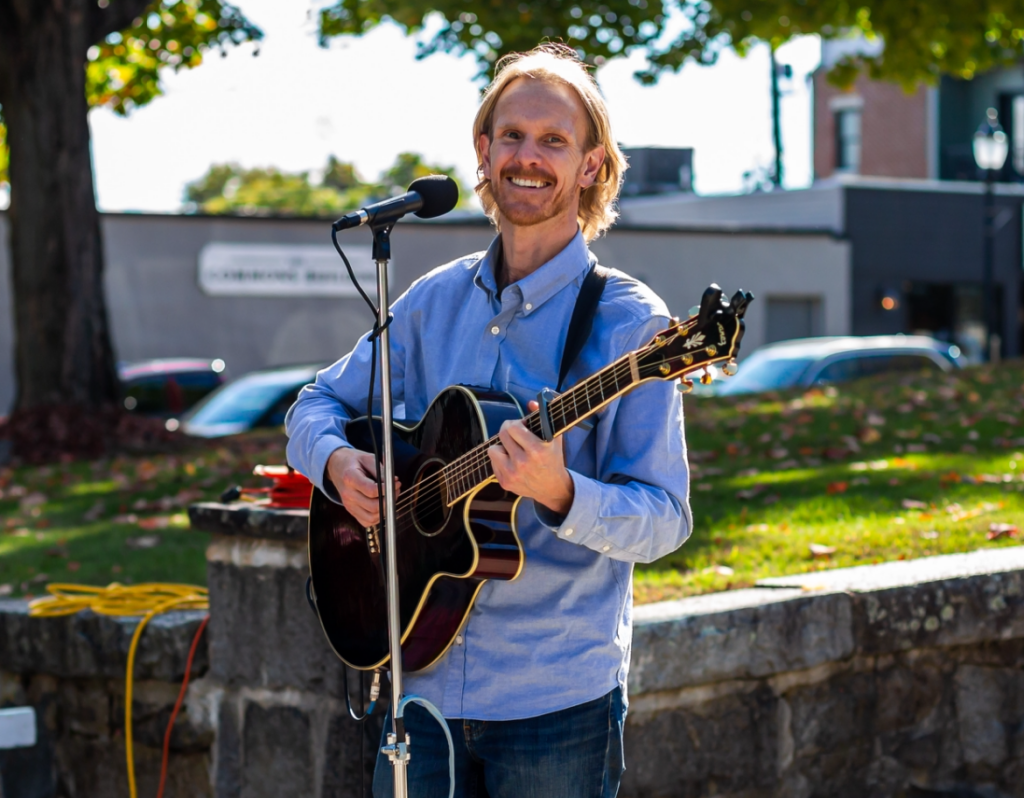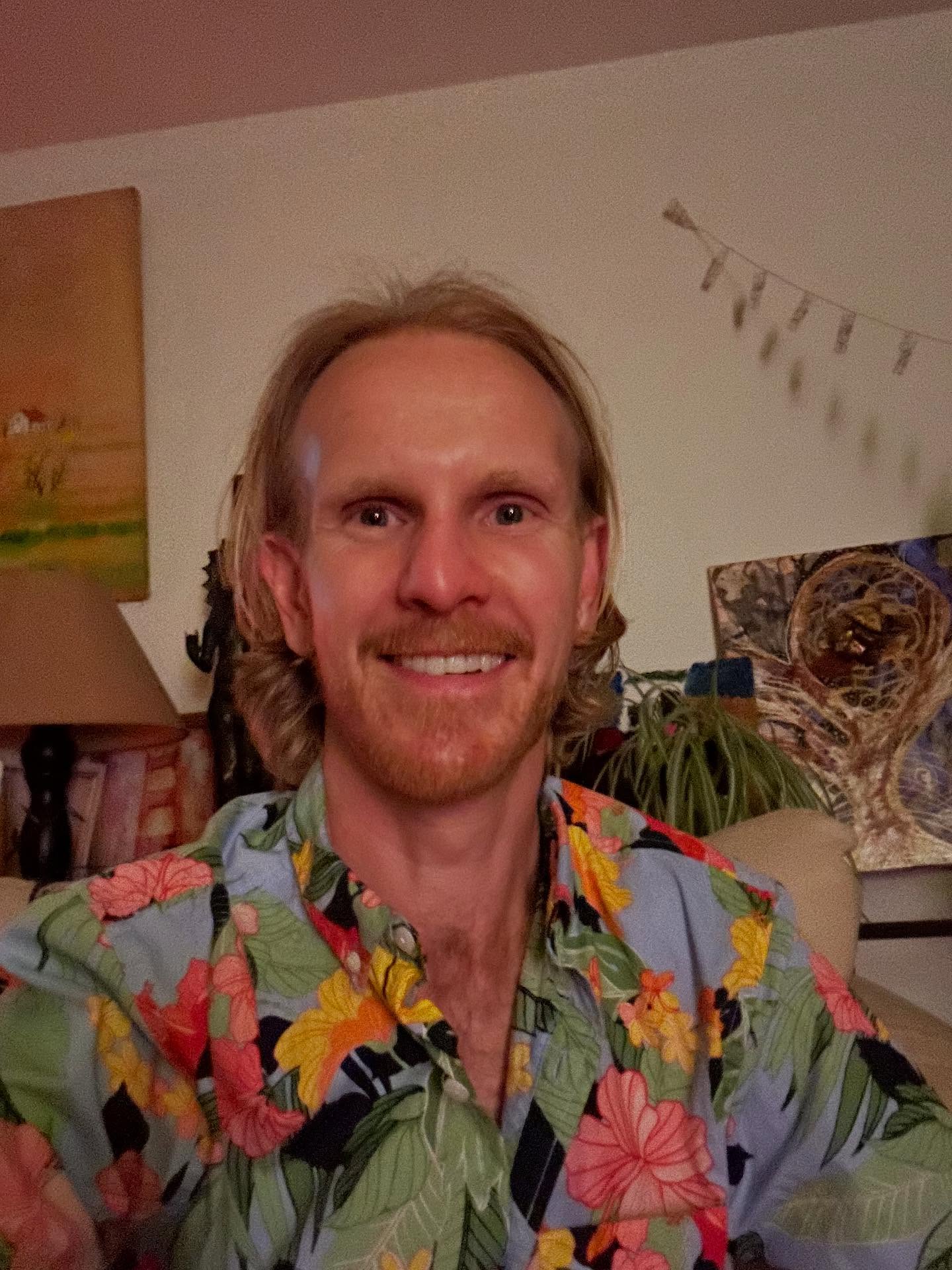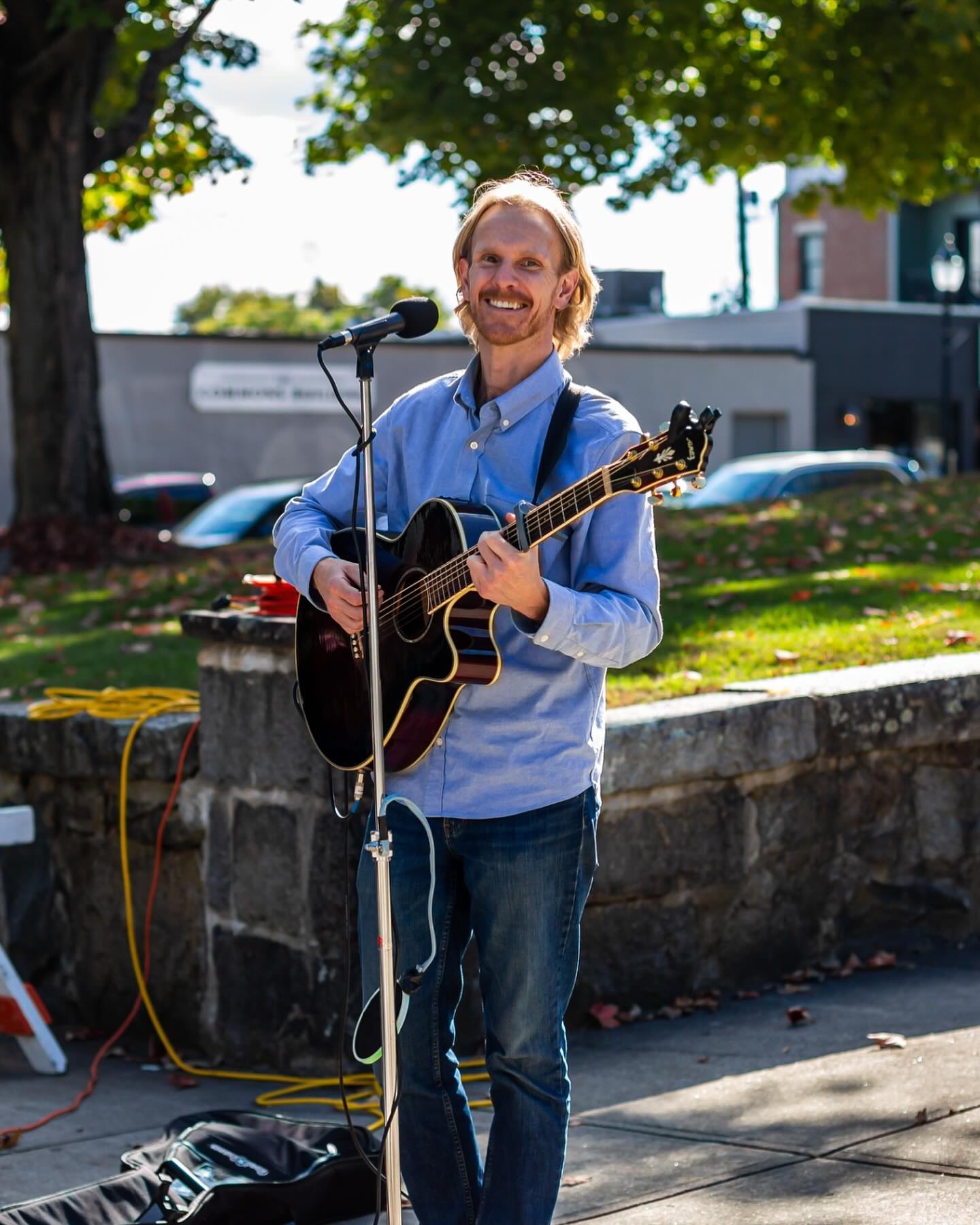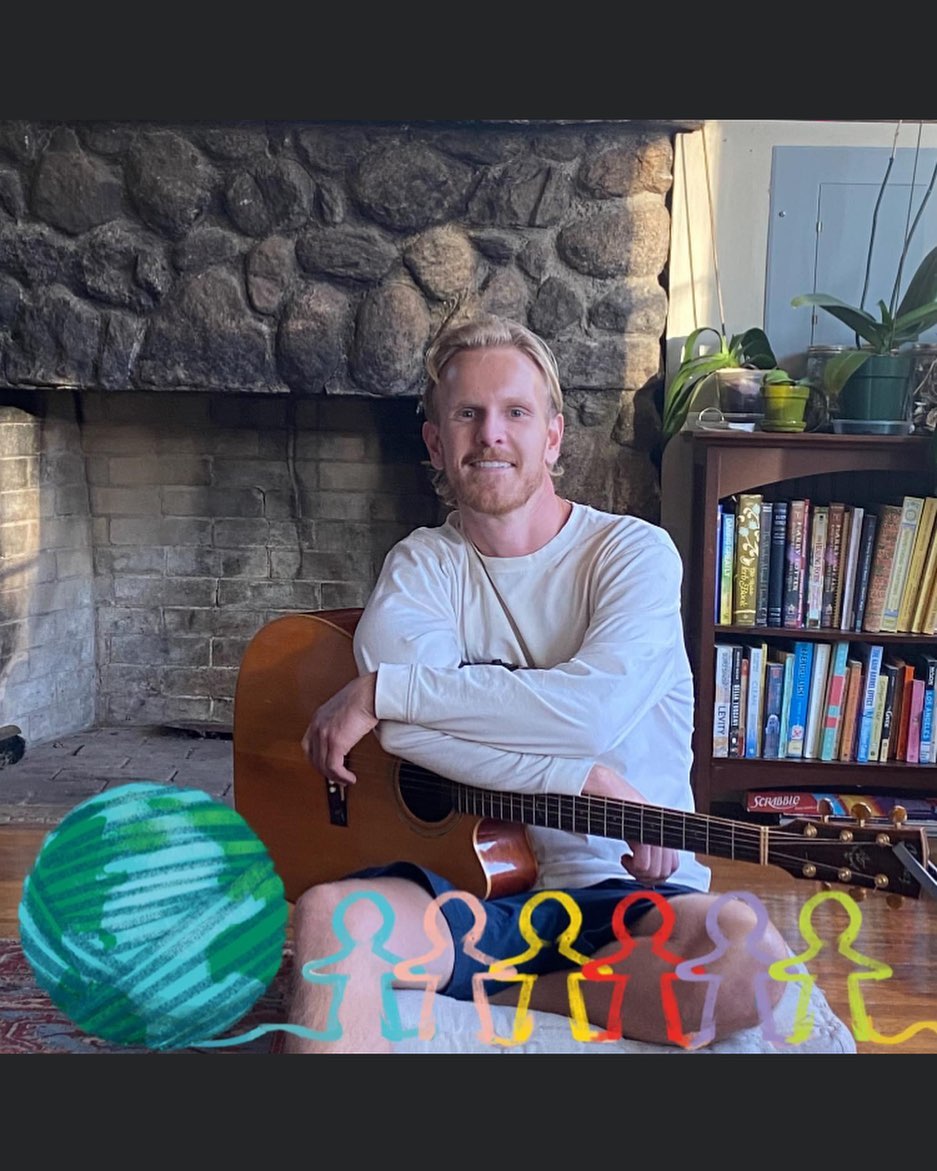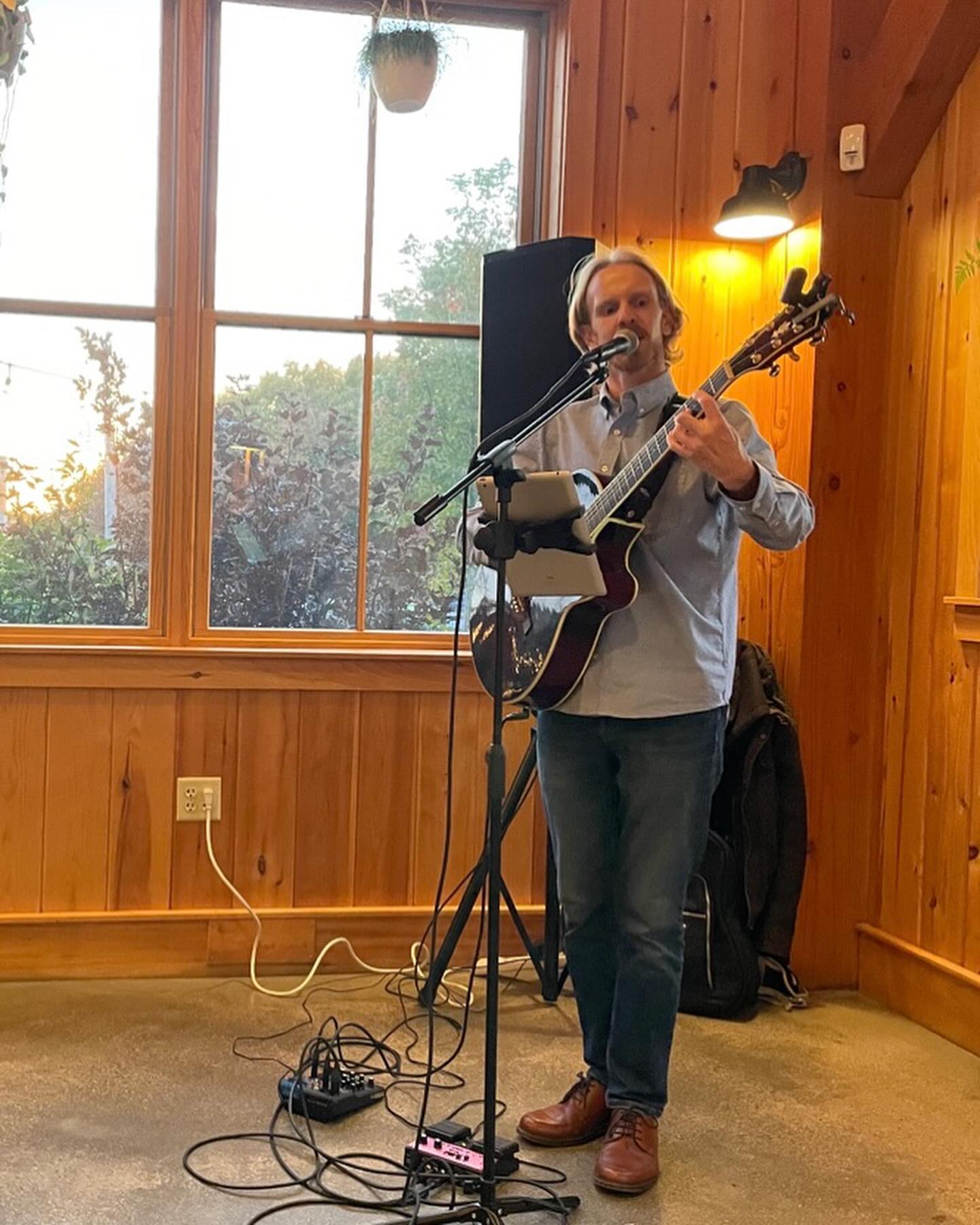
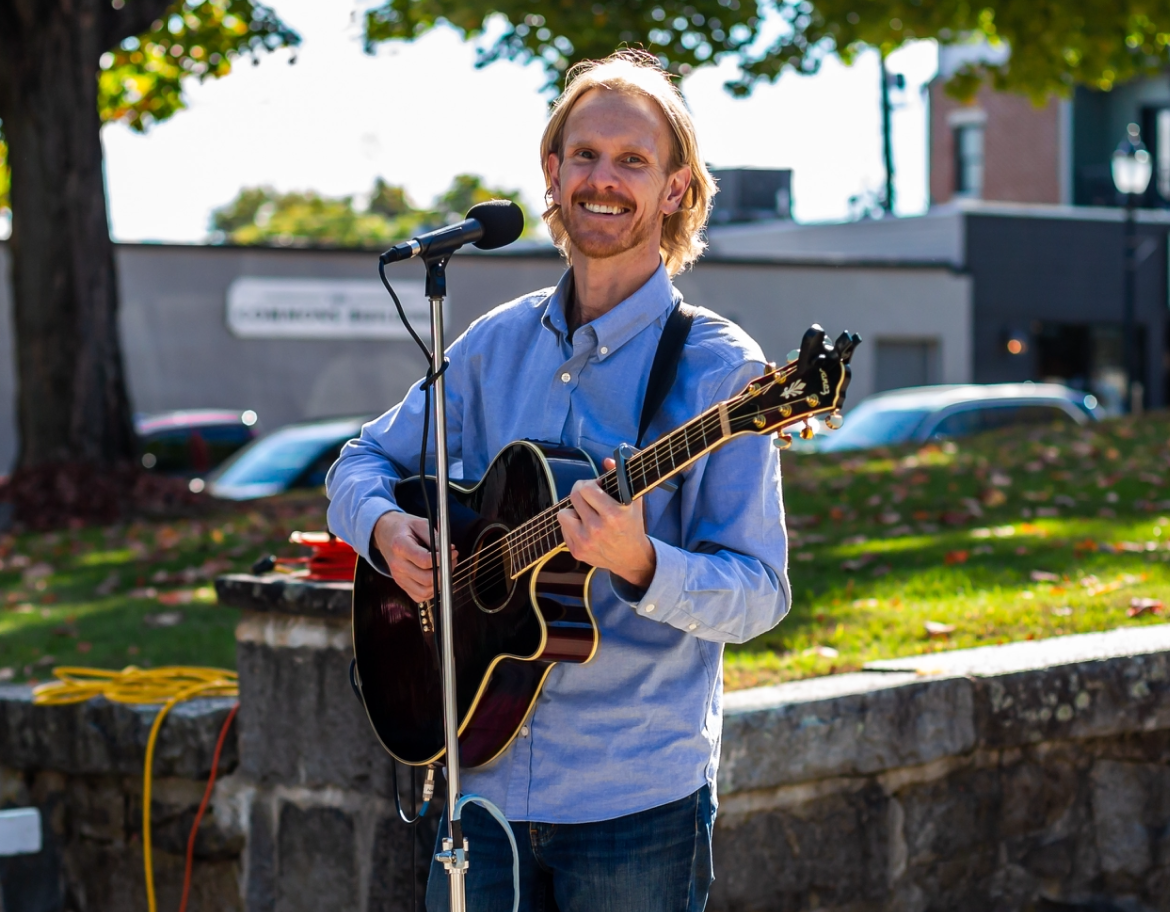
Doug Wilder is a musician from Redding, Massachusetts who has been playing music for most of his life, though his relationship to it has changed over time. What began as a childhood love and a dream of being on stage gradually deepened into something more grounded and personal. His music today feels open, welcoming, and alive, shaped by a desire to create spaces where people can feel accepted and at ease. He describes it simply as “contagious… inspiring… welcoming… and fun,” but underneath that is a steady intention to bring people into presence and connection with themselves.
As he grew older, Doug began to see music less as an identity and more as a responsibility. “When I was a kid, I wanted to be a musician because I thought it would be cool,” he says, but over time that shifted into something deeper. Music became “like a friend… like a mentor,” guiding him through his own experiences and growth. A turning point came a few years ago when he describes having an awakening that clarified his path. “I realized that music is what I was here to do,” he shares, not as a performance, but as a way to help others navigate life. His work is now influenced by the suffering he sees around him, and a desire to respond with joy and honesty. At the core of his message is a simple but powerful intention: “I want people to get rid of their shame,” so they can step into something larger and more connected.
Doug’s creative process is intuitive and responsive. Sometimes songs arrive through strong emotion, other times through a simple structure of chords and truth. He follows where the energy wants to go, trusting that the music will come when it is ready. For him, music is also deeply tied to his own healing. “Music is the best medicine for me,” he says, describing it as a direct way to step out of the mind and into presence, where “nothing else exists right now.”
Within the Gardenhouse community, Doug sees music as something shared rather than owned. He speaks about it as a collective process, where support, connection, and everyday interactions shape the songs as much as the artist does. This sense of mutual care feeds his work and reflects back into it. When people leave his performances, his hope is simple. That they feel accepted, less alone, and a little more free. That they carry less fear, trust their hearts more, and remember that “however they’re feeling is okay.”